



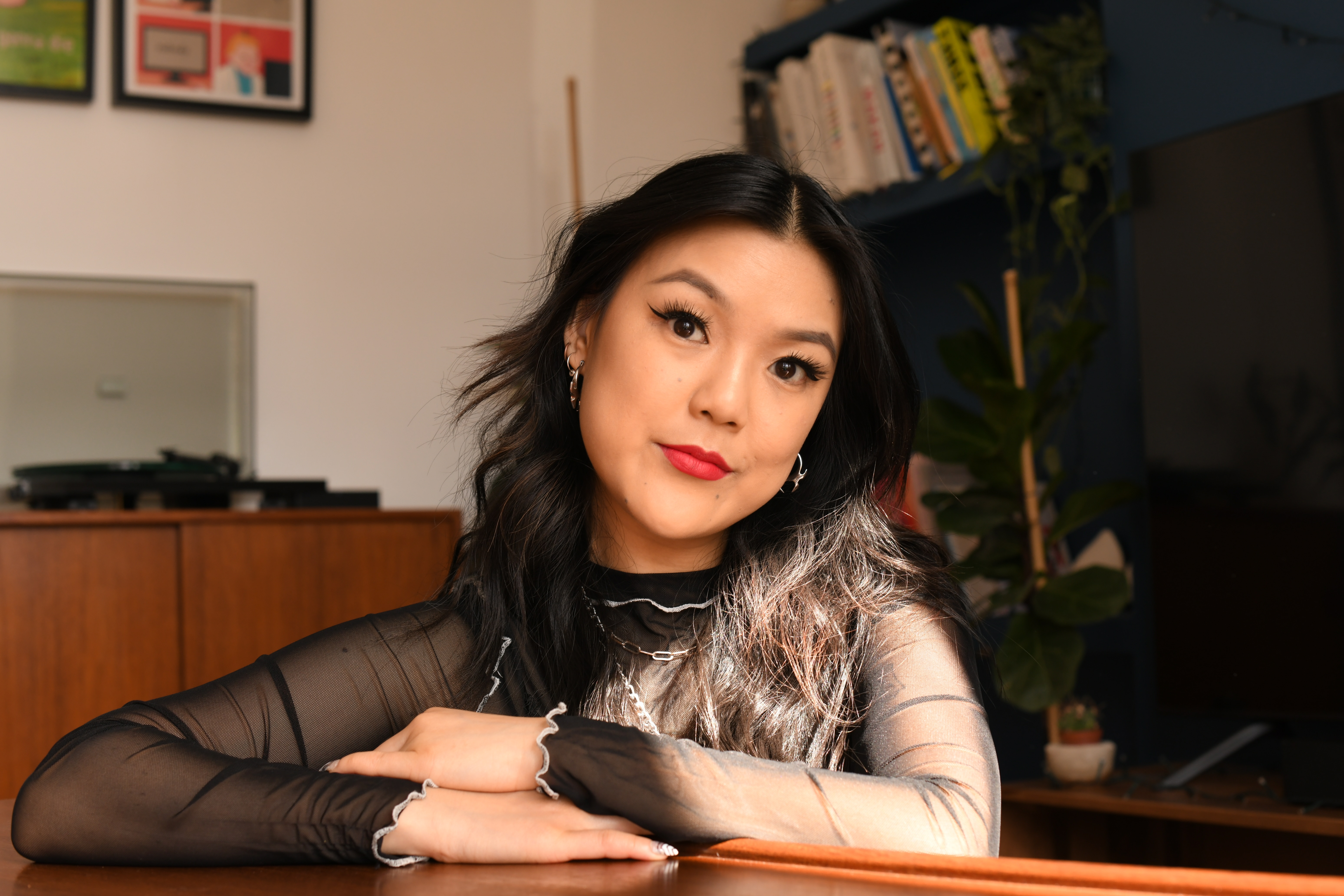
Angela Hui (@angelahuii) is a journalist and author of TAKEAWAY: A Childhood Behind the Counter. She was the former food and drink editor at Time Out London and the lifestyle reporter at HuffPost.
Chef-owner Ramael Scully (@scully_chef) steers clear of white tablecloth fine dining. His cooking is shaped by travel, memory and his mixed heritage. Born in Malaysia, raised in Sydney and now based in London, he draws on Chinese, Indian, Malay and Balinese influences, backed by classical French training and years in professional kitchens, including Ottolenghi’s Nopi and alongside Peter Gilmore and Matthew Kemp.
At his debut restaurant, Scully St James’s, sambal runs through the menu as an aromatic, versatile base for flavour, including a durian version served with roasted seabass. Here, he talks about growing up between cultures, learning the fundamentals before finding his own style, and why fusion is often misunderstood.
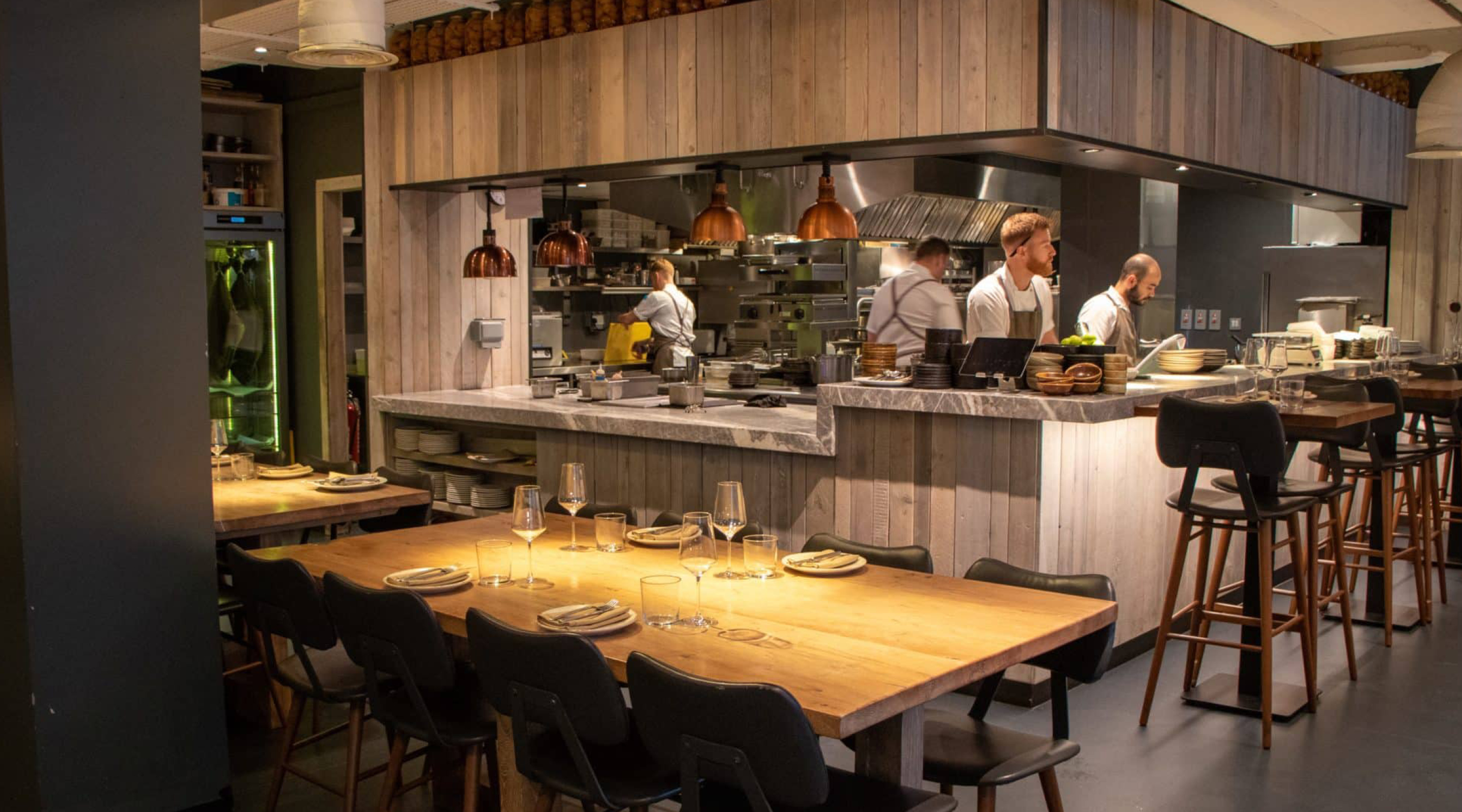
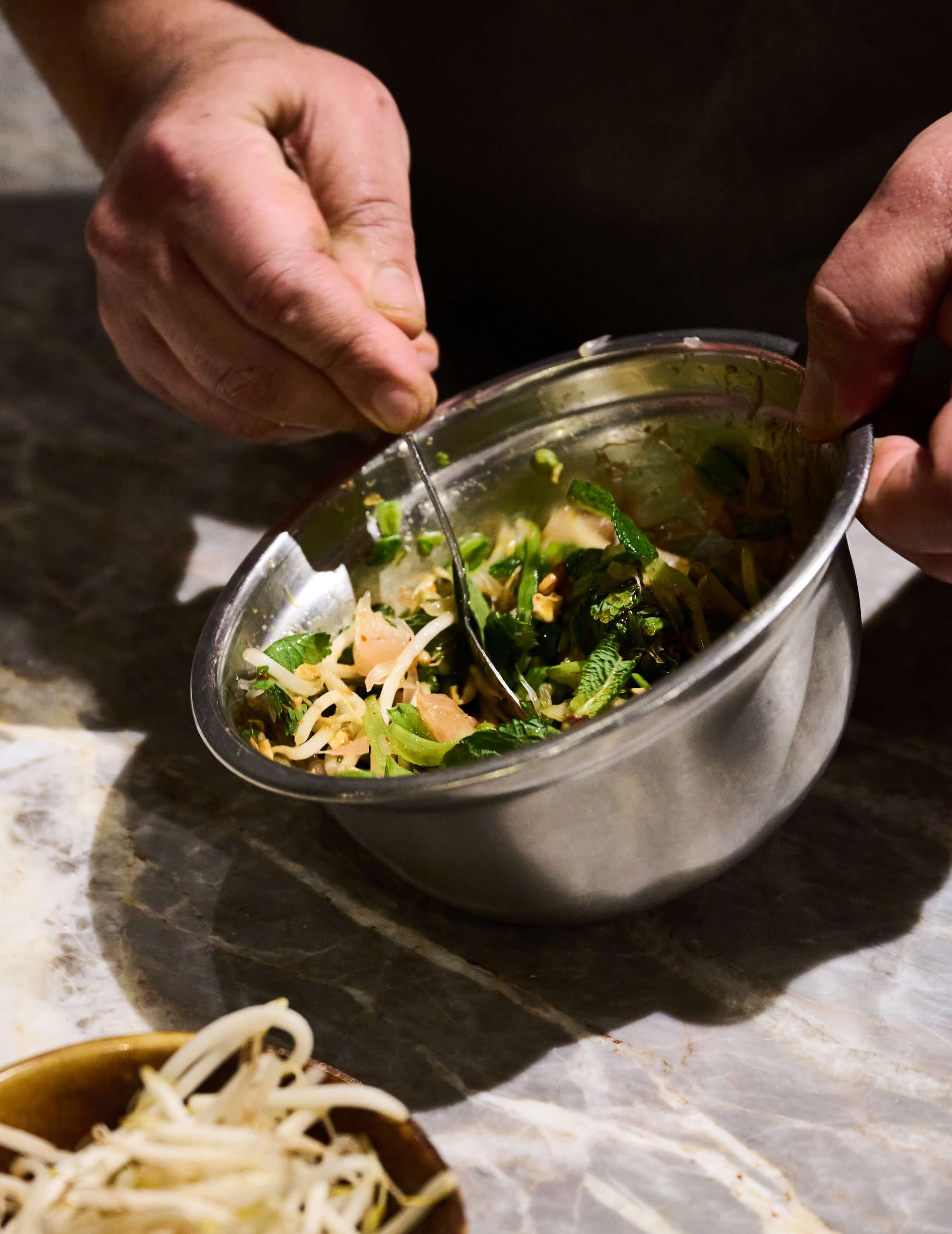
I’m like the ultimate mongrel breed. When I left Malaysia at 13 years old and moved to Australia that was a culture shock. I had friends from Italy, Greece and Portugal, my mum would probably be cooking sambal for them when they came over and when I went to their house their mothers would be cooking cool stuff. That’s when I started to look at food a bit differently.
It helps because I was born into it. I’m so blessed to have so many different cultures around me and it was never boring for me. As I got older, I travelled a lot, lived in Moscow for a few years and seeing the world helped me understand food. I’ve always loved London because it’s a cool city to do whatever you want to do and it’s a fusion of everything. I think fusion gets a bad rap, it’s often seen as diluted or bastardised, but when there’s a creative mix of cuisines and cooking styles, beautiful eclectic flavours can be born when done properly.
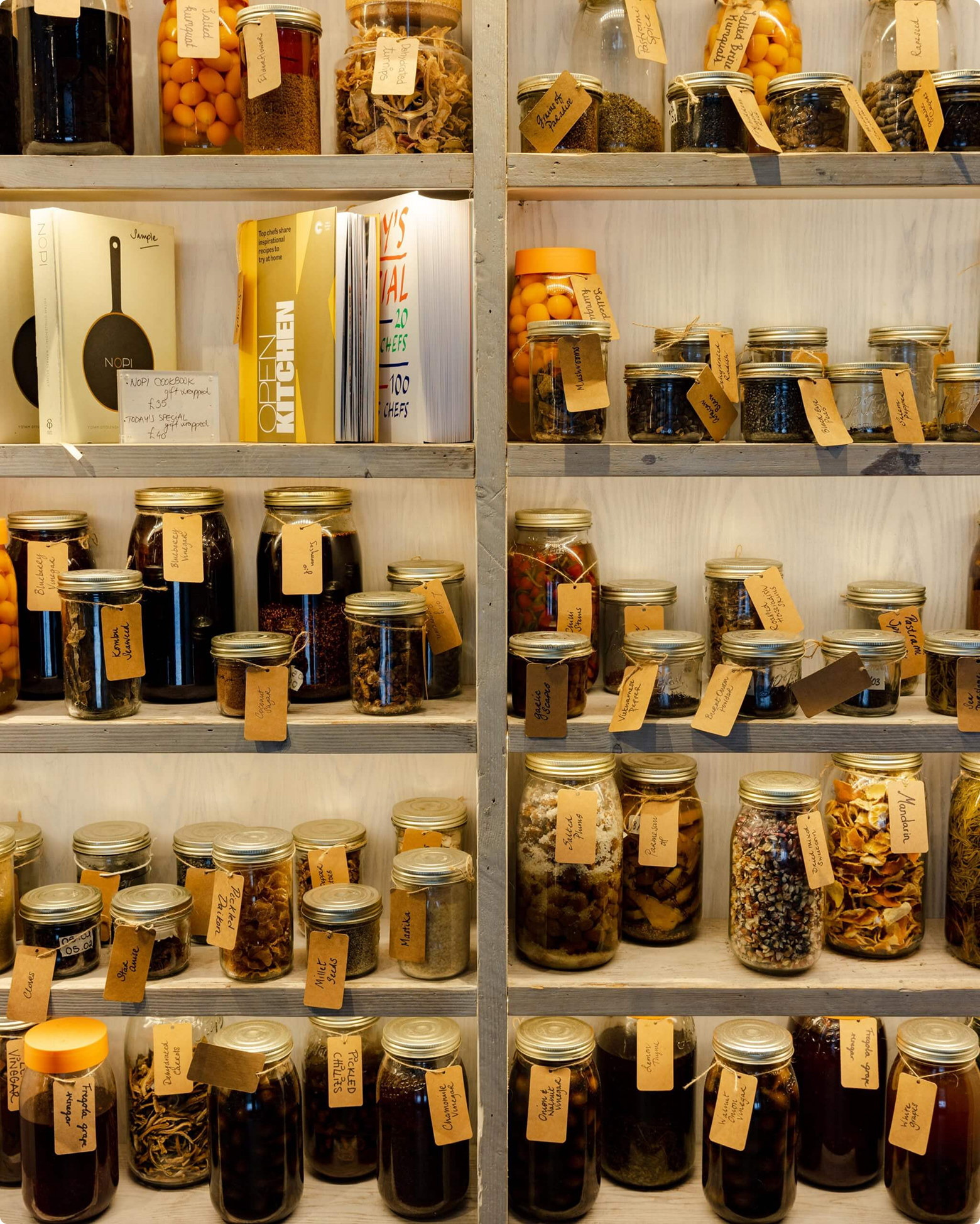
I started out in classic French cooking because when it comes to cooking you need to get to grips with the basics, then you can start to play around with food and put your own stamp to it. They taught me how to manage a team and how to understand the basics of running a restaurant. Working with those guys gave me strength, energy and understanding of being a great manager. When I worked with Ottolenghi heading up Nopi, I kept pushing. Sometimes things came out disastrous and other times good, it’s all about experimental cooking.
Growing up, I had nine aunties. They’re all great cooks. I’m lucky I grew up surrounded by people who love food. I bounce from all these flavours, nationalities and cultures, especially living in the UK, you’ve got so many different backgrounds. I read cookbooks to get inspired, but I don’t want to take every single technique or ingredient. It’s how you tweak it to be yours. I combine elements from Middle Eastern, Western and Asian cooking from the places I previously lived and worked at. That’s the whole fusion part; taking something we grew up with and then tweaking it to make something new and interesting. I believe that you have to have a restaurant that thinks outside the box and create something you can’t really cook at home.

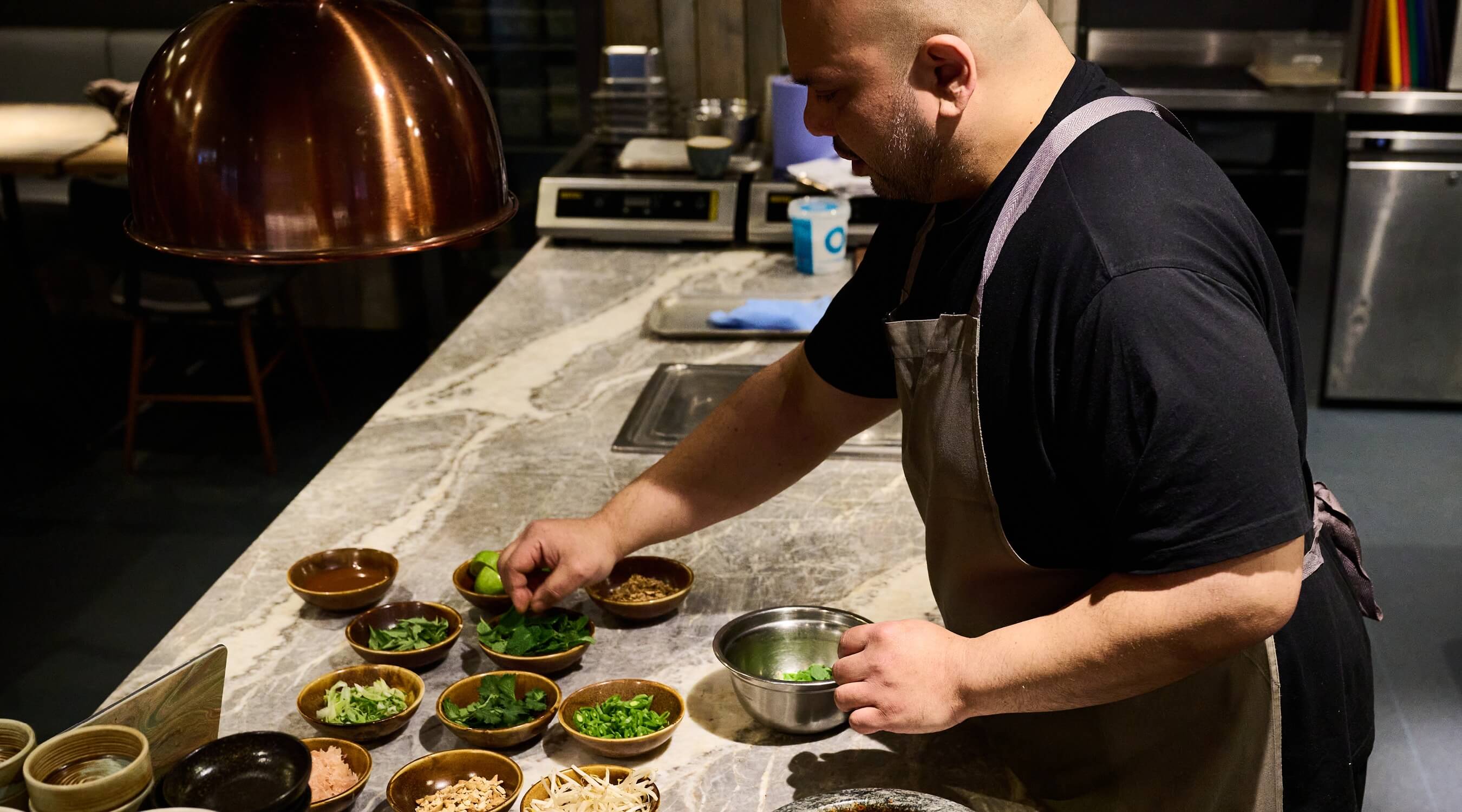

When it comes to sambal, there’s so many variations and there are no rules. I think as long as you’ve got your acid, chilli and sugar as the base. Once you have that, it’s what you can do with it. For us, the twist comes from the shrimp paste, durian or whatever you want to add to it. Adding durian brings a different kind of contrast and creaminess.
A lot of home cooking go by look, feel and years of practice of knowing when something’s right or wrong. My mother would just go ‘yeah, that’s sambal’ without explaining the foundation. From a chef’s point of view, it’s about understanding those fundamental building blocks of flavour and the three key factors to make that sambal base, but the more I practice and read about it. This can be applied to salads, too. It’s the same thing.
Durian has always been on my mind. My aunties have always told me that I should do something with it. I mix the durian with the slightly fruity and tart sambal. The first time I tried this was at a street vendor in Malaysia. It’s called Sotong, which uses squid and then they put durian in there. It’s like adding double cream, which changes the texture and gives a lovely mouthfeel.
I’m not El Bulli and I don’t want to be that. I look at traditional dishes and I try to put my own spin on it. I'm just happy that I have a restaurant that I can serve the food that I think that the people will love. There’s some things I have to think about putting on to make sure it’s a profitable restaurant because not everyone will go for it and that we serve the people that come here every day. For me, the customers tell me if something is good or not. Still, having a restaurant for nine years, even after a pandemic, I guess I must be doing something right.
%202.png)

Lorem ipsum dolor sit amet, consectetur adipiscing elit. Suspendisse varius enim in eros elementum tristique. Duis cursus, mi quis viverra ornare, eros dolor interdum nulla, ut commodo diam libero vitae erat. Aenean faucibus nibh et justo cursus id rutrum lorem imperdiet. Nunc ut sem vitae risus tristique posuere.