



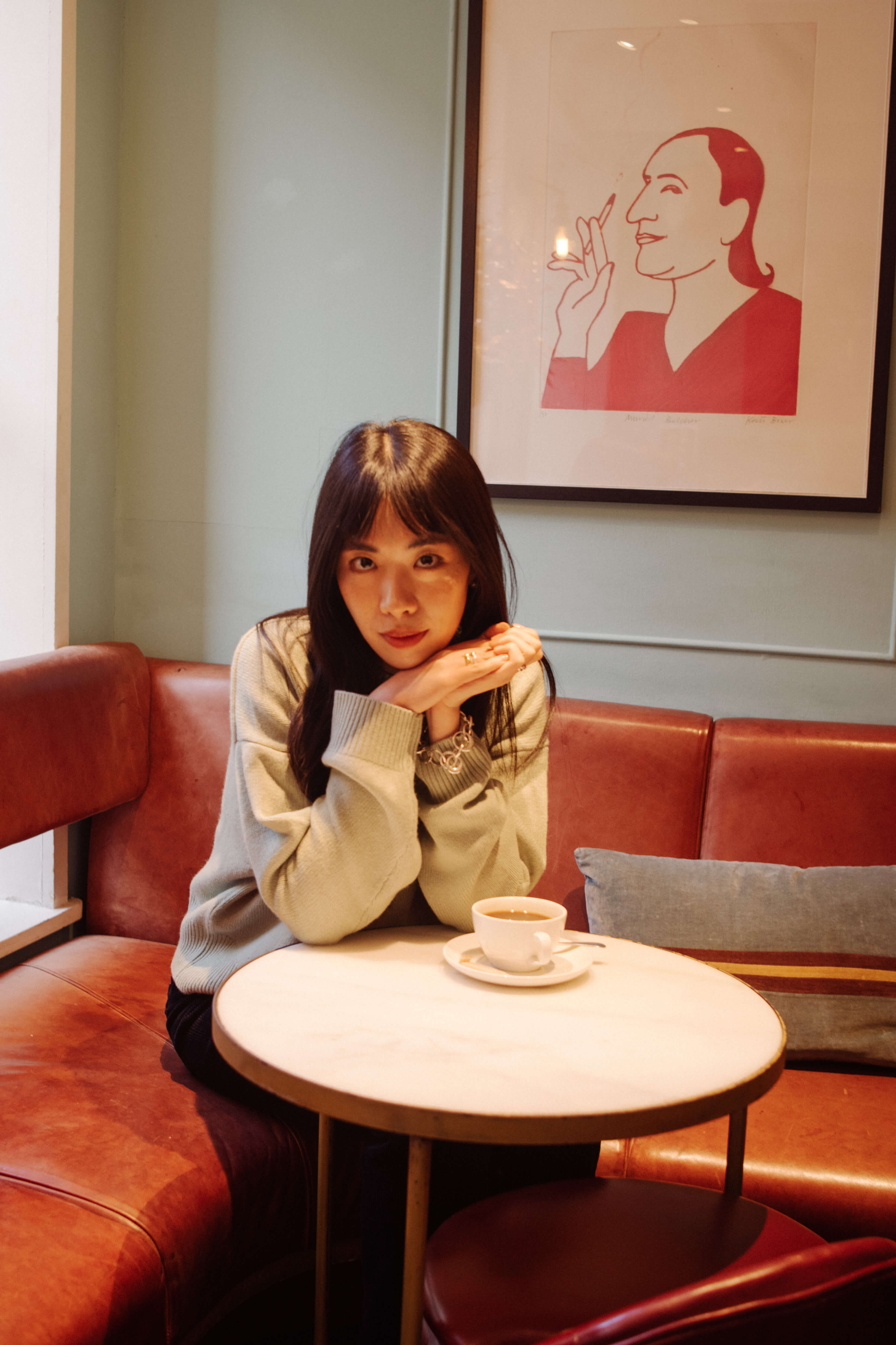
Zoe Suen (@zosuen) is a Hong Kong–born, London-based freelance writer and consultant working across fashion, food and travel.
The West London home of Helen Goh (@helen_goh_bakes) is a stone’s throw away from Middle Eastern grills and East Asian supermarkets, Caribbean takeaways and Filipino restaurants. It’s an appropriate location for the pastry chef, food writer, and psychologist, whose upbringing and unique path into baking imbues her recipes—including those in her latest book, Baking & the Meaning of Life, with an unpretentious breadth and curiosity.
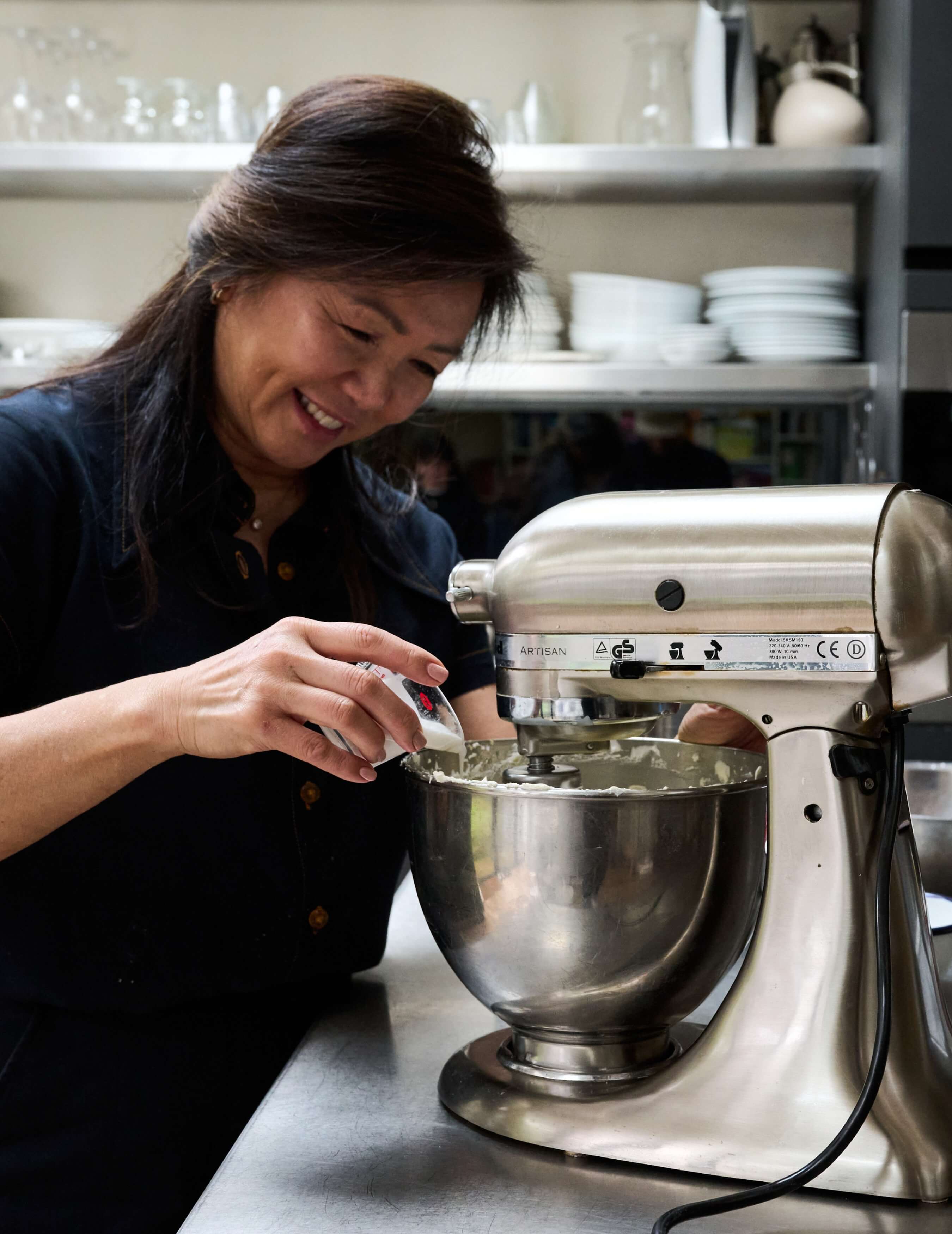
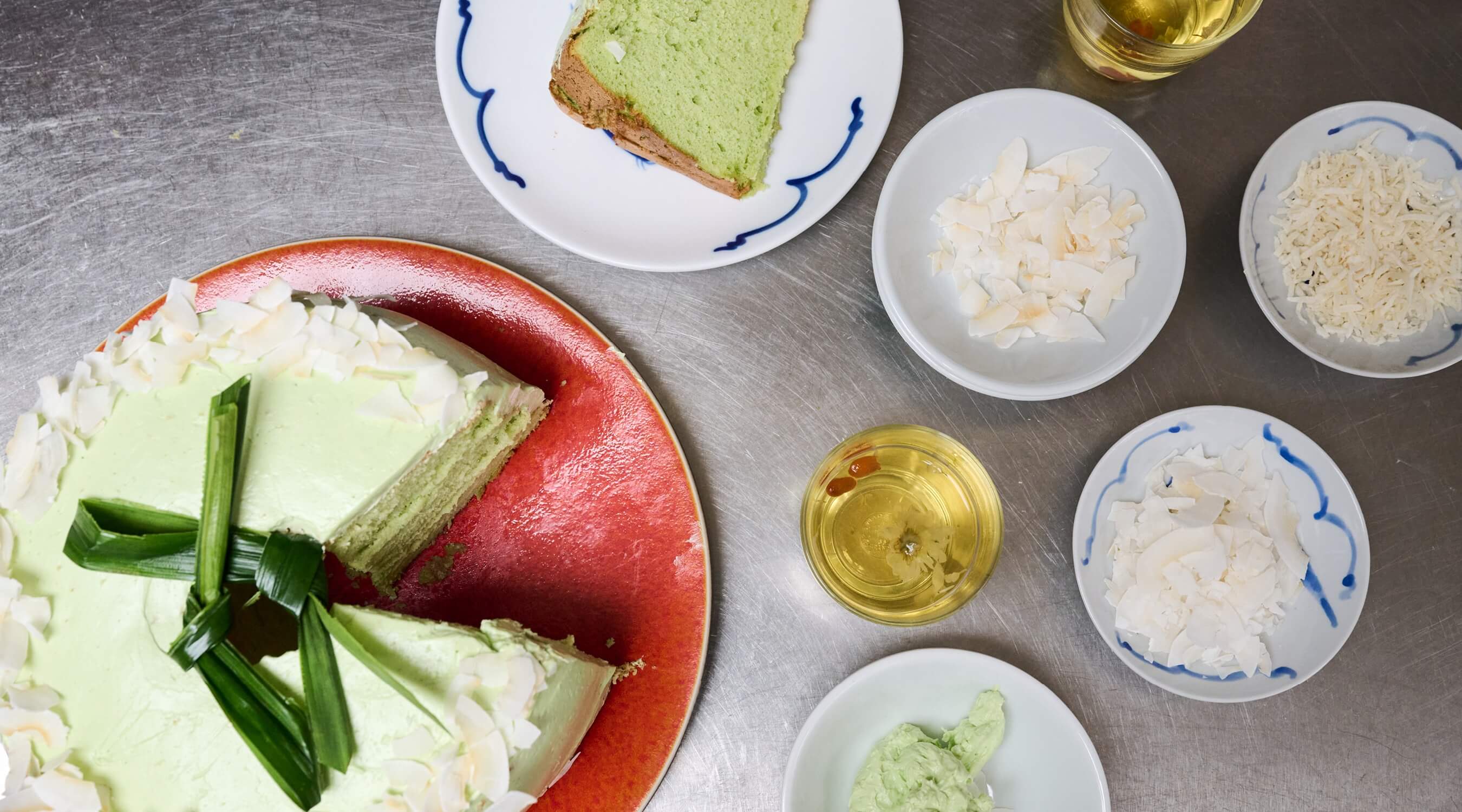
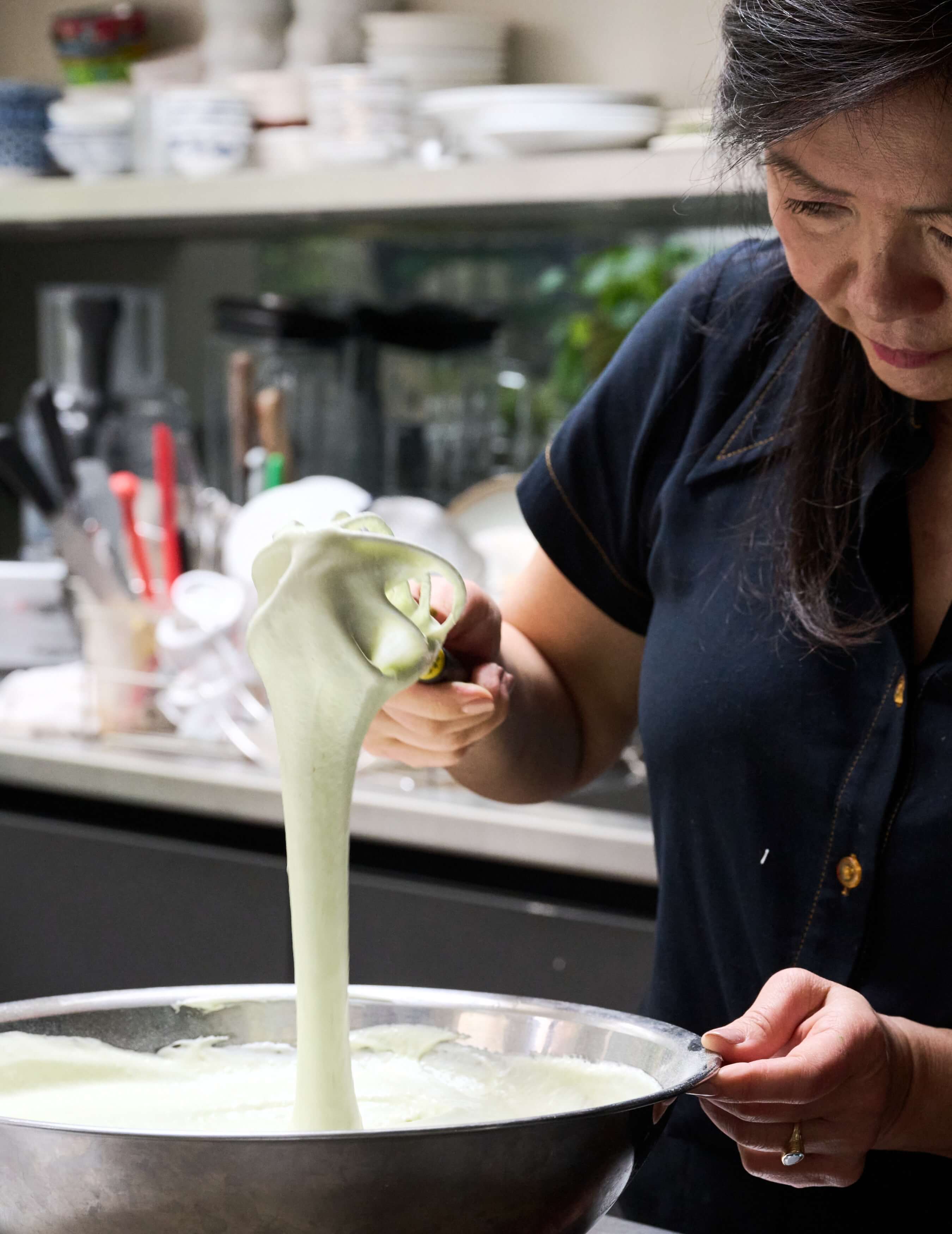
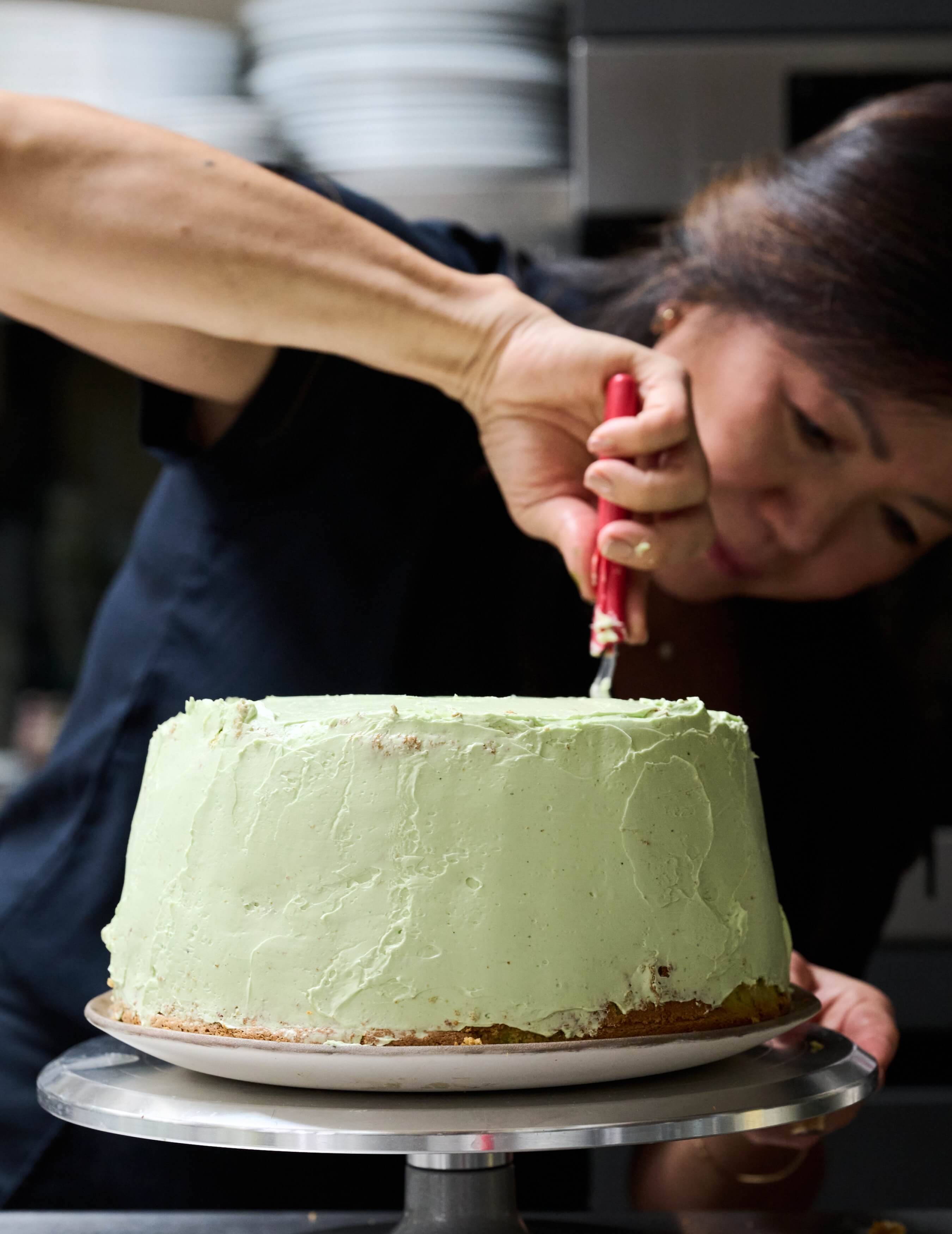
When Goh welcomes me into her skylit cookbook-filled kitchen, she’s in the process of making one of her personal favourites: Pandan and Coconut Chiffon Cake, which as she writes in the new book, she ate much of in Malaysia before she “even knew the word pandan (or cake)”. As it bakes, we talk about the textural delight of Asian sweets; how she found her groove in baking; and how her approach to writing has changed over the years.
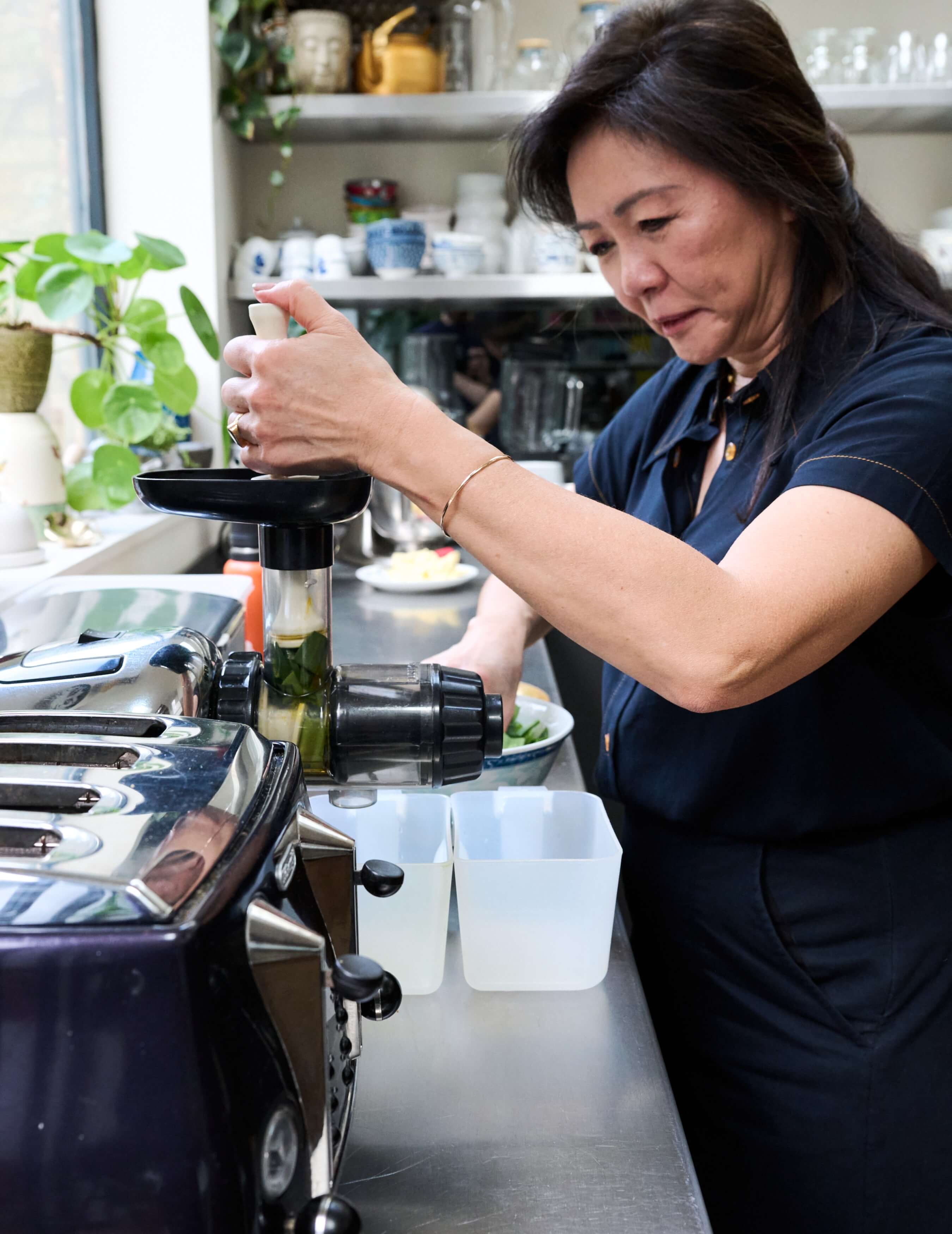
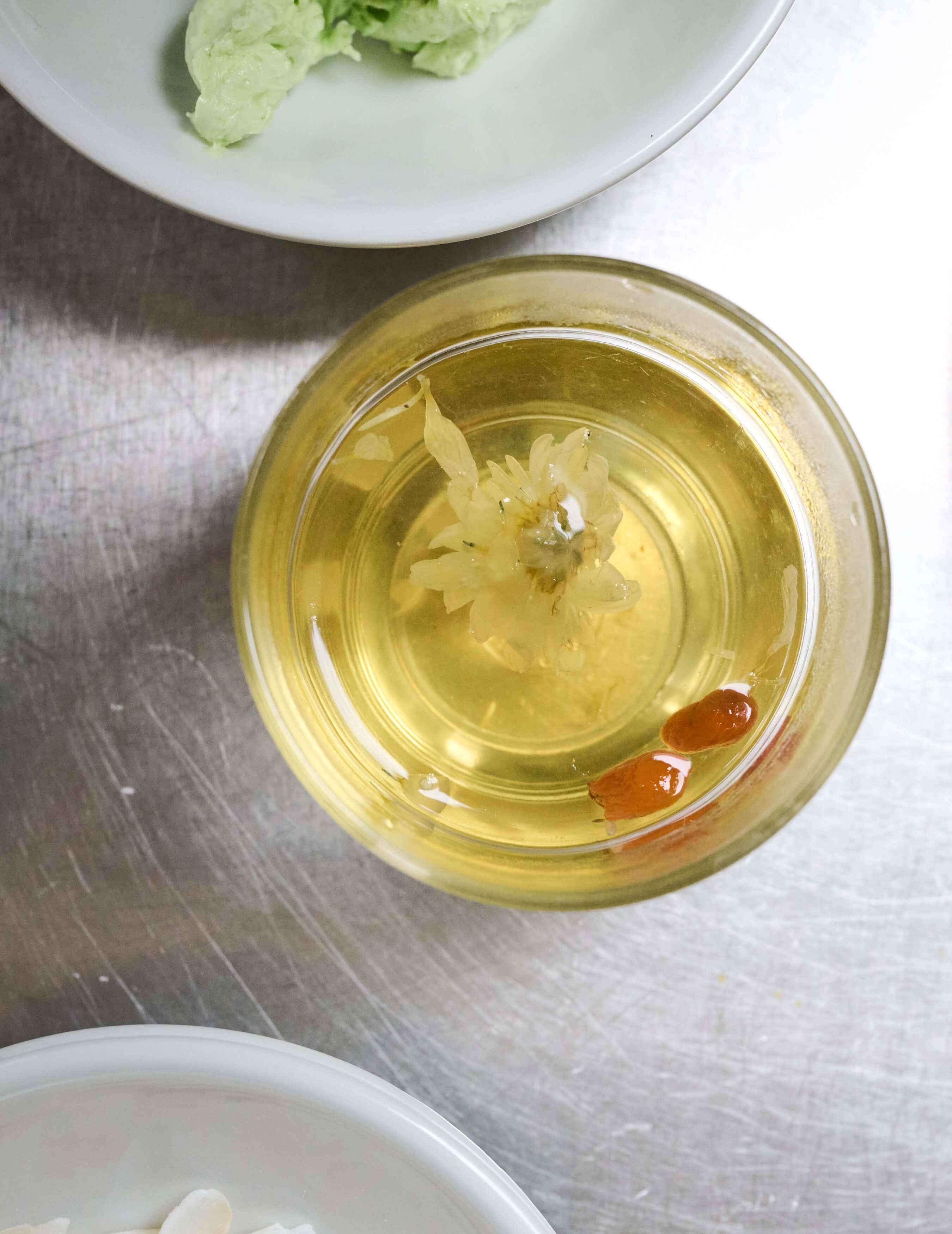
It was sort of the way we use vanilla here, but [also in savoury foods]. In Malaysia, you would make nasi lemak, which is just like the breakfast dish—coconut rice—and when you steam the rice you tie a knot with a blade of pandan, and the rice cooks with the pandan in it. It's infused. The smell of it was pervasive because there was always rice cooking. The way I've ground it, I use a juicer now to extract the juice, but I remember my mum used to pound it in a mortar and pestle. Malaysia didn't at that time have a very big baking tradition, but they make kuehs (small, colourful, steamed sweets and snacks).
Me too. A lot of Malaysian kuehs are green, so nearly every kueh will have pandan. It's just mixed in with ground glutinous rice and then it's steamed. I remember the smell. For me, when I moved to Australia and couldn't get pandan, and then when it started to be imported, it was that smell that instantly took me to my childhood in Malaysia.
I think it's just food, all kinds of food. But when I was learning to cook, what appealed to me was the process of baking, the methods and the alchemy of it. Usually, if you're making chicken, it goes into the oven as a chicken and comes out as a chicken. But with baking, it goes in as this molten, unrecognizable thing and comes out as this whole other thing. It just looked so mysterious that you can have eggs, milk, and oil turning into something completely different.
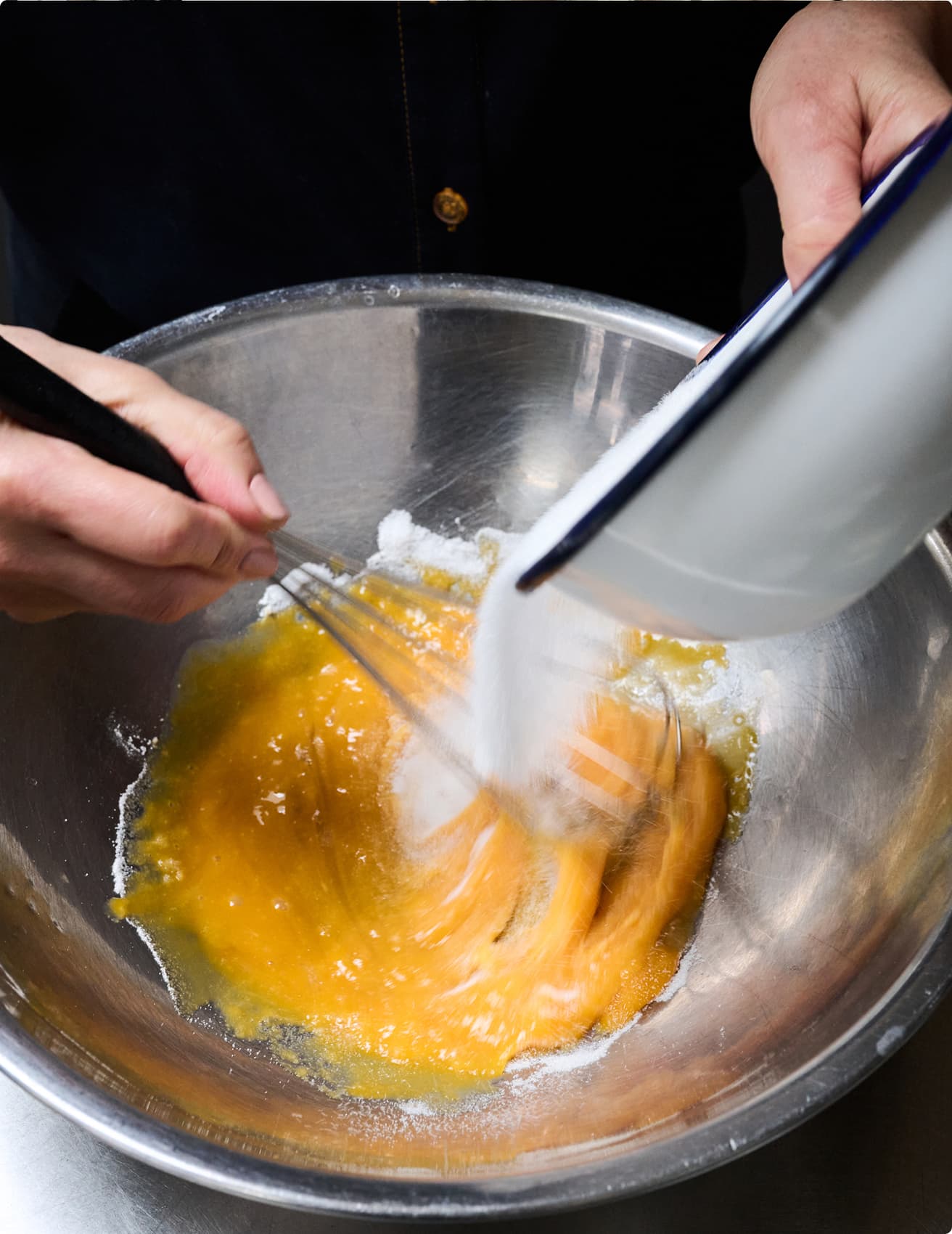
When we moved to Australia, the oven was just not something we used. My mother made very traditional Chinese meals and she used the oven to store things like ikan bilis (dried anchovies) and dried mushrooms. My sister, when she was about 17, got a Women's Weekly cookbook and made this lemon slice. I was fascinated by this idea again—that lemon juice, flour, and eggs came out as this delicious, sliceable thing. I think I was scared of baking; it seemed very mysterious to me.
There was a gap between my undergraduate and postgraduate; I had studied psychology and the faculty said I needed to go and get some experience. I did some pharmaceutical work, and part of my job was to talk to doctors about new products. One of the ways I could talk to them en masse was to hold a lunch. I used to work with the caterer on what to cook, and very quickly I thought the cooking was more interesting than the work I was doing.
My boyfriend at the time had the option to take a redundancy package, and we opened a café with no experience. He’d never made a coffee in his life, and I never cooked commercially ever. But we just did it. I learned on the spot. I didn't sleep for about four years, but it was really successful. From there, I always kept drifting back to baking. I think people saw that I was very methodical: I’m a complete mess normally, but in baking, I felt my groove.
At Ottolenghi, it wasn't that Asian ingredients were out of bounds, but I did feel like in the first book, apart from a pineapple tart and a chiffon pineapple cake, I didn't really go down that path. My new book has hojicha, matcha, pandan, tamarind and black sesame seeds. None of those ingredients were in the first book. It didn't fit with the vibe then.
Maybe eight years down the track, it felt more accessible. There's been a proliferation of Asian bakeries. I think we've become more accustomed to that springy texture of Japanese cheesecake and chiffon cake. In this book, it felt very natural for me to include them. When I showed Yotam, he said, "It's just so you”. I’m quite Western because I grew up in Australia, but the smells and flavours from Asia have really shaped my appetites.
It's funny because mochi has been so well absorbed into life now. My kids are eating mochi ice cream, and I feel like "Hang on, that's kueh!" I had a Chinese New Year party a number of years ago and I made Gula Melaka jelly. When it sets, it separates into a creamy coconut layer and a translucent jelly layer. People were like, "Is that pate?" because of the colour. They were almost scared because the texture was so unlike what they're used to. I think now I could put it out and it would get eaten.
It’s changed quite a lot. At Ottolenghi, the vibe was about creativity and something surprising. Now, with my book, I wanted to bring in my psychology background. This book is more focused on the why we bake, the community around it, and the psychology behind it. I asked myself: "Will this bring people joy? Will this connect to people? In what context would they make this to amplify life?"
In order to be a better writer, I read Anne Lamott's Bird by Bird. The concept is just to do it "bird by bird," one step at a time. In the past, I felt I had to be inspired or have a “Eureka” moment. It’s wonderful when it works, but it's crushing when it doesn't. Reading that book helped me pull it back. I also learned to give myself permission to have a bad first draft. I used to think I couldn't make a mistake or I'd feel like an imposter. Now I'm more practical. I approach it with curiosity rather than trepidation. It takes more patience, but in the long run, I'm much more productive.
I think I'm at that age where I'm less inclined to want to be clever and more inclined to want to hone things in. I want to make it easier for the home baker and guide them through that process of how they can enlarge their lives rather than how I can enlarge my profile.
Yes, the Dutch baby pancake. It’s a skillet pancake that puffs up. My kids always have friends over for sleepovers, so it’s a lot of crepes and pancakes with nutella.
Probably it's because I allow them on the screens! They love crepes, but when there are five kids, it's hard to make them one at a time. The Dutch baby takes less than five minutes to put together, goes into the oven, and tearing and sharing it is part of the fun.
This chiffon cake is my texture; I wouldn't even ice it normally. I've also come to love the process of making buns. There are a couple of bun recipes in the book, like a shoofly bun with pureed orange. I use a tangzhong in it so it's pillowy. With salted butter, that’s what I would make.
%202.png)

Lorem ipsum dolor sit amet, consectetur adipiscing elit. Suspendisse varius enim in eros elementum tristique. Duis cursus, mi quis viverra ornare, eros dolor interdum nulla, ut commodo diam libero vitae erat. Aenean faucibus nibh et justo cursus id rutrum lorem imperdiet. Nunc ut sem vitae risus tristique posuere.